Why Antigua Feels Different
An exploration of how cities preserve memory through adaptation, continuity, and the visible layers of history.
Embed YouTube video
About This Film
Antigua, Guatemala, is often described as beautiful, historic, or picturesque. Yet many visitors leave with the feeling that the city is somehow different without being able to explain why.
This film explores that question through direct field observation and interdisciplinary inquiry.
Rather than focusing solely on historical events or architectural styles, it examines how centuries of earthquakes, reconstruction, religious life, colonial planning, and everyday adaptation have shaped the city that exists today.
The result is not simply a documentary about Antigua's past, but an exploration of how places preserve memory through continuous change.
Central Question
Why do some places feel profoundly different, and what does that reveal about the relationship between history, adaptation, and human perception?
Themes Explored
Adaptation and Continuity
Rather than remaining unchanged, cities survive by adapting. Antigua demonstrates how reconstruction, reuse, and cultural continuity allow places to preserve identity while responding to changing environmental and historical conditions.
Reading the Landscape
Architecture, streets, ruins, and public spaces contain visible traces of earlier decisions. The film explores how landscapes become readable as layered records of human activity rather than static historical artifacts.
Memory in Place
Buildings and monuments do more than preserve history; they shape how societies remember, reinterpret, and transmit the past across generations.
Perception and Meaning
The experience of place emerges through more than visual appearance. It develops through relationships among environment, history, movement, and observation, raising broader questions about how humans perceive meaning within cultural landscapes.
Field Observations
Filmed throughout Antigua, Guatemala, including observations of:
colonial streets and urban planning
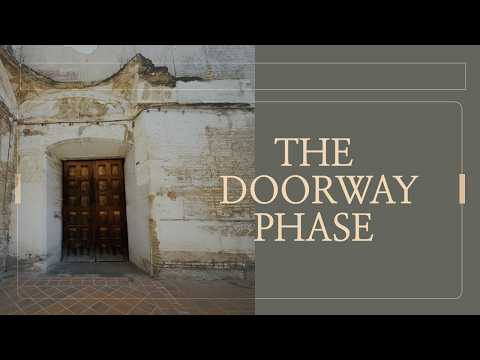
adaptive reuse of religious architecture
earthquake reconstruction
convents and historic ruins
public plazas and community life
the integration of past and present within the modern city
These observations form the basis of a broader inquiry into how environments communicate history through lived experience.
Related Research
This documentary forms part of ongoing interdisciplinary research into perception, symbolic landscapes, and the preservation of knowledge through the built environment.
Related areas include:
Perceptual Intelligence
Myth & Symbol
History & Culture
Knowledge Translation
Related Journal Articles
Explore essays and field notes expanding on the ideas presented in this film.
→ Read related Journal entries