International Aviation Collaboration
Operational Harmonization, Knowledge Exchange & Global Systems Integration
Modern aviation depends on collaboration that extends well beyond national borders. Every international flight relies on coordination between independent Air Navigation Service Providers, shared operational standards, compatible technologies, and a collective commitment to safety and continuous improvement.
Throughout my career with NAV CANADA, I participated in initiatives that supported international cooperation, operational benchmarking, and the exchange of best practices across the global aviation community.
These experiences reinforced an important lesson: resilient aviation systems are built not only through technical excellence, but through collaboration, shared learning, and governance across institutional boundaries.
Contribution
Contributed to international initiatives supporting operational coordination, technical modernization, and organizational learning among Air Navigation Service Providers.
These activities included:
Development of international operational guidance through CANSO
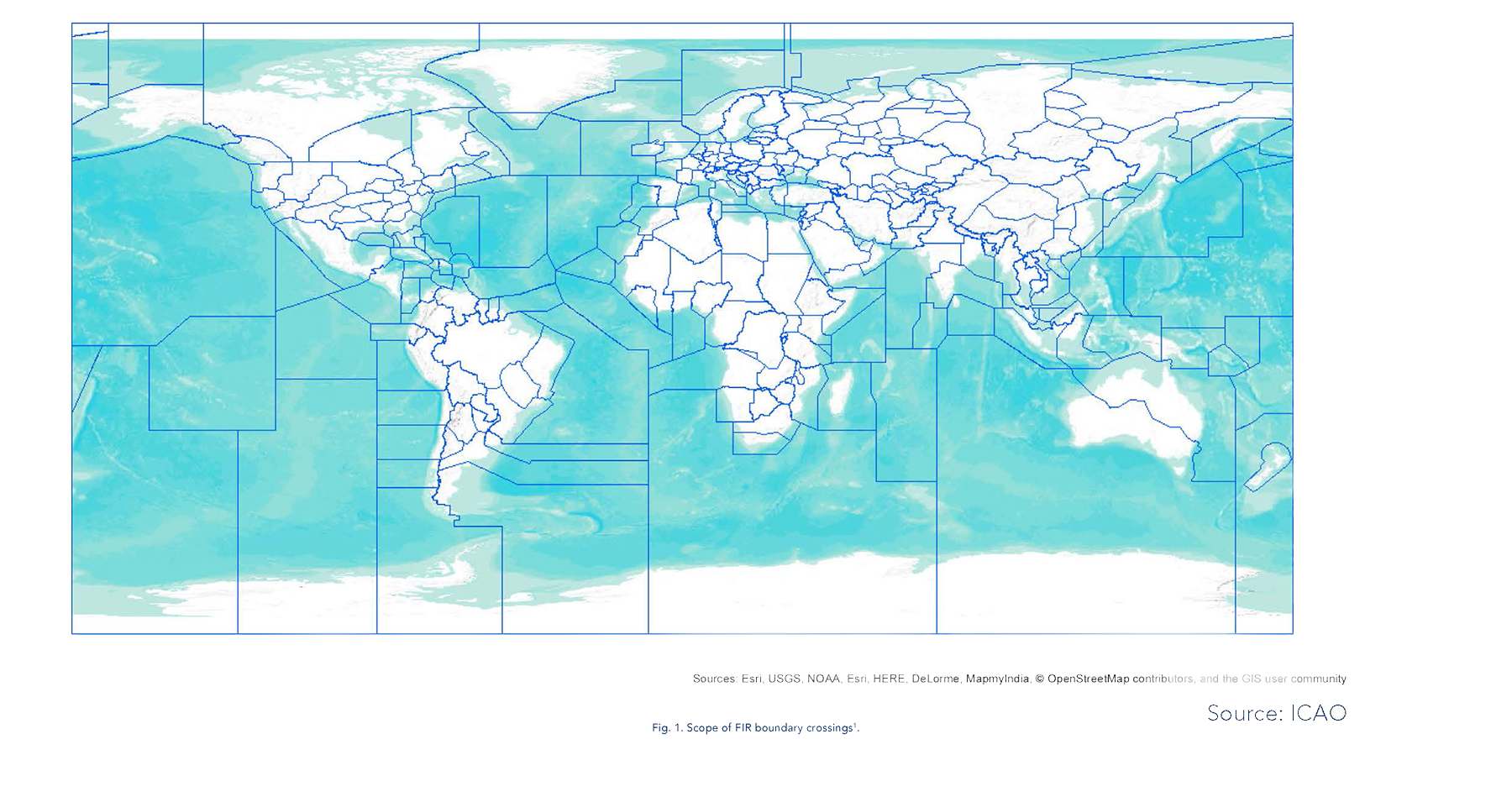
Cross-boundary Flight Information Region (FIR) coordination
Technical workload benchmarking with international partners
Technical modernization exchanges
Knowledge sharing across aviation organizations
Collaborative systems improvement
Featured Contribution
CANSO Best Practice Guide to Crossing Flight Information Region Boundaries
Contributed to the development of the Civil Air Navigation Services Organisation (CANSO) Best Practice Guide to Crossing Flight Information Region Boundaries, a publication bringing together operational experience from Air Navigation Service Providers around the world.
The guide examines practical approaches to achieving seamless transitions between Flight Information Regions through operational coordination, standardized procedures, communication, and collaborative governance.
The publication reflects principles that continue to inform my advisory work, particularly the importance of integrating operational expertise with organizational collaboration to improve complex system performance.
Evidence
Published CANSO Best Practice Guide
International Collaboration
DFS Deutsche Flugsicherung (Germany)
Participated in technical workload benchmarking and organizational comparison initiatives examining technical workforce models, infrastructure management, and operational performance across Air Navigation Service Providers.
Federal Aviation Administration (United States)
Participated in technical modernization exchanges examining evolving Communications, Navigation and Surveillance (CNS) technologies, operational practices, and infrastructure modernization supporting future air navigation systems.
Why It Matters
Many of today's operational challenges extend beyond individual organizations. They require institutions to coordinate across jurisdictions, disciplines, technologies, and governance structures.
International collaboration provides an opportunity to compare approaches, challenge assumptions, identify emerging practices, and translate operational learning into improved organizational performance.
These same principles underpin my current advisory work in governance, institutional learning, and decision-making under complexity.
Project Summary
Organization
NAV CANADA
Project
International Aviation Collaboration
Contribution
Participated in international operational guidance, technical benchmarking, and collaborative initiatives supporting harmonization across Air Navigation Service Providers.
Evidence
CANSO Best Practice Guide to Crossing Flight Information Region Boundaries
International benchmarking with DFS Deutsche Flugsicherung (Germany)
Technical modernization collaboration with the Federal Aviation Administration (FAA)
Focus Areas
International Air Navigation Services
Flight Information Region Coordination
Operational Harmonization
Cross-Boundary Governance
Knowledge Translation
Technical Benchmarking
Communications, Navigation & Surveillance (CNS)
Collaborative Systems Design
Organizational Learning
Global Aviation Standards
Related Evidence
Current Advisory & Research
My current work extends these questions into operational performance, governance, institutional adaptation, human-system feedback, and decision-making in complex environments.
Explore Advisory & Current Work →